Synthetic Biology

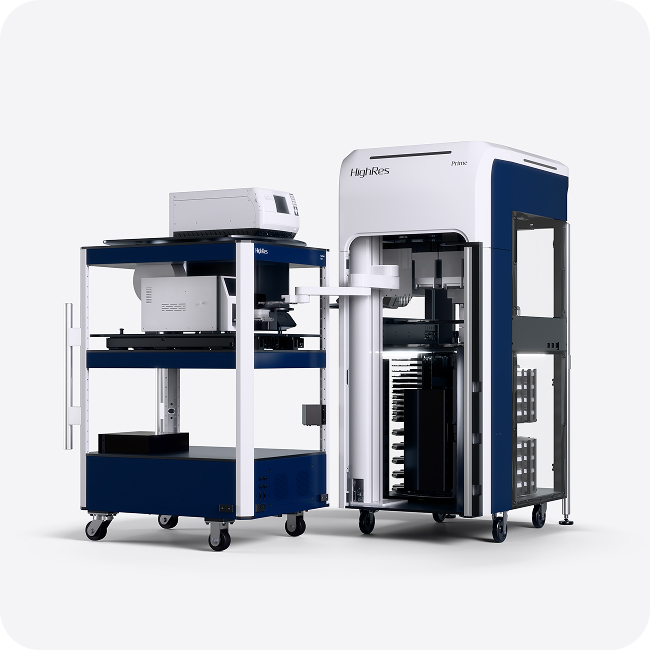
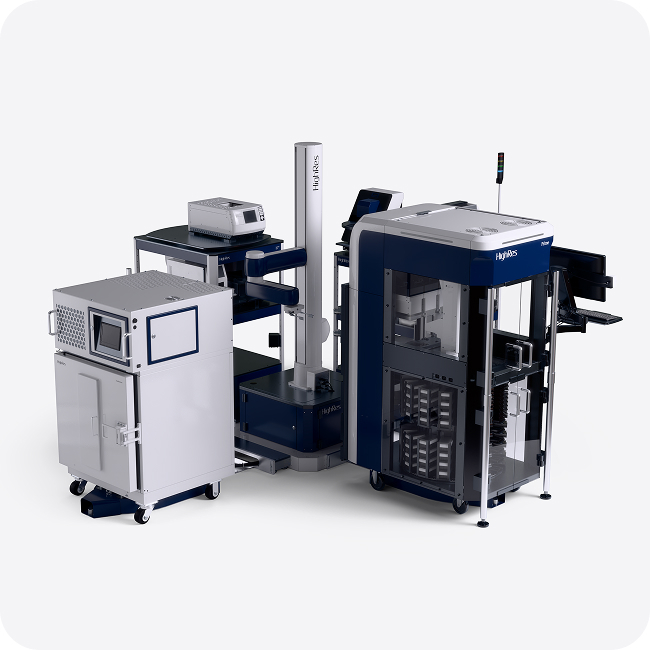
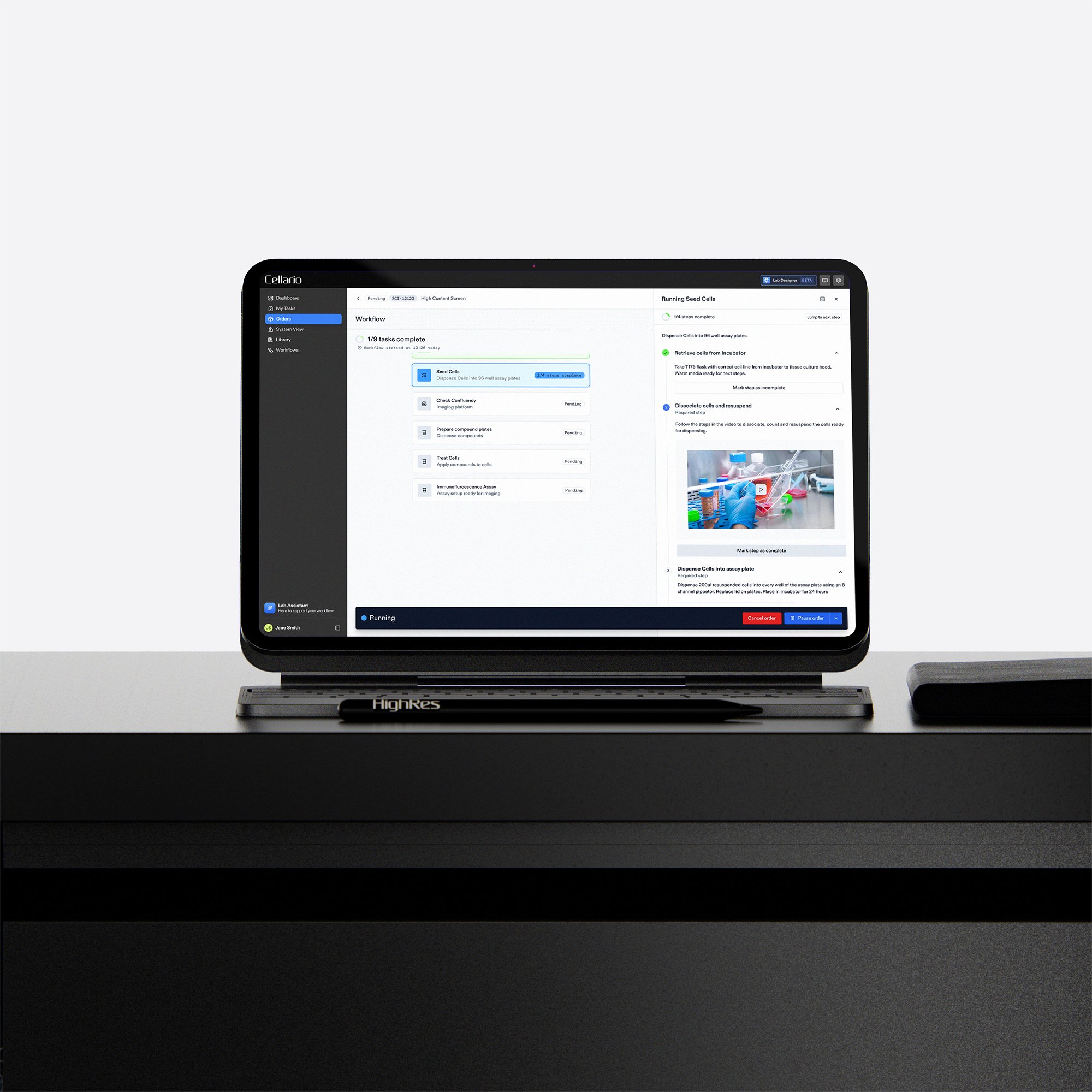
HighRes offers a automation, liquid handling, and software solutions for a wide range of synthetic biology applications.

Synth-Bio

Solutions Built for Synthetic Biology

Synthetic biology applies engineering principles to biology, enabling scientists to design, build, and test new biological systems at scale. These workflows are inherently iterative, with experiments evolving rapidly as teams learn from each cycle.

HighRes has deployed automation, liquid handling, and software into synthetic biology laboratories worldwide, supporting workflows that range from early-stage construct development to long-running cell line engineering and screening campaigns.

Have a lab automation question or need guidance?

Get in touch. We'll help you find the right automation solution for your lab.

→ Get In Touch

HighRes Sytnetic Biology Experience

Synthetic biology workflows often span multiple experimental phases, from genetic design and assembly, through functional testing, to stable cell line development. As throughput increases and timelines extend, manual execution introduces variability and limits learning speed. Automation enables synthetic biology teams to standardize execution, increase throughput, and preserve data integrity across iterations, allowing scientists to focus on learning, optimization, and design rather than manual process management.

HighRes brings extensive experience delivering automation and lab orchestration for synthetic biology workflows across laboratories globally.

Cell Line Development

Cell line development is one of the most operationally demanding applications of synthetic biology. These workflows translate genetic designs into stable, productive biological systems through long-running, multi-step processes that include genetic modification, clone expansion, screening, and characterization.

DNA Assembly

DNA assembly and construct engineering workflows form the foundation of synthetic biology experiments. These workflows require precise liquid handling, accurate tracking of parts, and consistent execution across large numbers of parallel reactions.

Functional Screening

Screening and functional characterization workflows evaluate engineered constructs or cell lines to identify desired phenotypes or performance characteristics. These workflows often combine liquid handling, incubation, and measurement across many plates and timepoints.

Related Products

Have a lab automation question or need guidance?

Get in touch. We'll help you find the right automation solution for your lab.

→ Get In Touch