
HighRes partners with life science organizations to implement intelligent data and lab automation workflows that empower every team member to plan and execute efficient and reproducible science. At SLAS2026, HighRes was joined by three distinguished partner organizations — Enveda, Pfizer, and Merck — each sharing their real-world experiences building and evolving high-throughput screening and sample management platforms powered by HighRes automation.
This customer spotlight series features the stories and insights shared by each partner, offering a window into the practical challenges, strategic decisions, and operational outcomes that define world-class lab automation in drug discovery.
Customer Spotlight: Enveda
Presented by Katie Heiser, Director of Platform Biology
About Enveda
Enveda is on a mission to unlock the biological potential of nature's chemistry. While it is well established that many efficacious modern medicines, including metformin, aspirin, artemisinin, and penicillin, have come from natural sources, less than 1% of nature's chemistry has been characterized. Importantly, natural products also demonstrate improved rates of clinical translation, with nearly 50% better odds of reaching Phase 3 clinical trials compared to purely synthetic compounds.
Founded to address this vast untapped potential, Enveda operates one of the world's largest libraries of natural biomasses, sourced from plants, microbes, and fungi. The company is building the world's first chemical sequencer for life — a platform that annotates the structure and function of nature's molecules at scale, using machine learning to translate mass spec data into chemical structures.
The Role of Platform Biology
Enveda's Platform Biology team, led by Katie Heiser, is responsible for annotating the function of nature's chemistry. The team of eight scientists and associates runs an end-to-end early discovery platform including assay onboarding, cell culture, data processing, data analysis, and automation operations. Their screening funnel includes:
- Single-point primary assays
- Semi-purified mixtures of natural compounds
- Purified natural compounds
- Concentration-response validation
- Orthogonal validations and viability counter screening
The majority of Enveda's discovery platform operates in 1536-well ultra-high-throughput format, with flexibility for 384-well and 96-well assays as needed.
Automation Philosophy: Simple, Focused, Scalable
Enveda's approach to automation centers on a clear philosophy: automate the low-complexity, time-intensive steps with high-capacity, fit-for-purpose systems. This keeps robustness high and scheduling complexity low, enabling autonomous operation without errors.
The team operates three core Nucleus automation systems, each designed with intentional upgradability:
- Compound Printing Workcell: handles compound pre-printing with randomized Echo acoustic dispensing, plus a live cell dosing capability added as an upgrade
- High Content Imaging Workcell: moves plates from ambient storage into dual IXM Micro Four imagers for overnight and weekend image acquisition
- Add-Mix-Read Workcell: runs luminescence, fluorescence, HTRF, and absorbance assays on a single system using configurable incubation and plate reader workflows
All three systems are equipped with webcams for remote monitoring and troubleshooting. Critically, each was designed with HighRes to leave space for future upgrades, a strategy that paid off when Enveda added a SteriStore and Multidrop dispenser to the compound printing system.
"We focus on automating low-complexity, high-capacity tasks. This enables us to support a very wide variety of assays in ultra-high-throughput with a small, agile team."
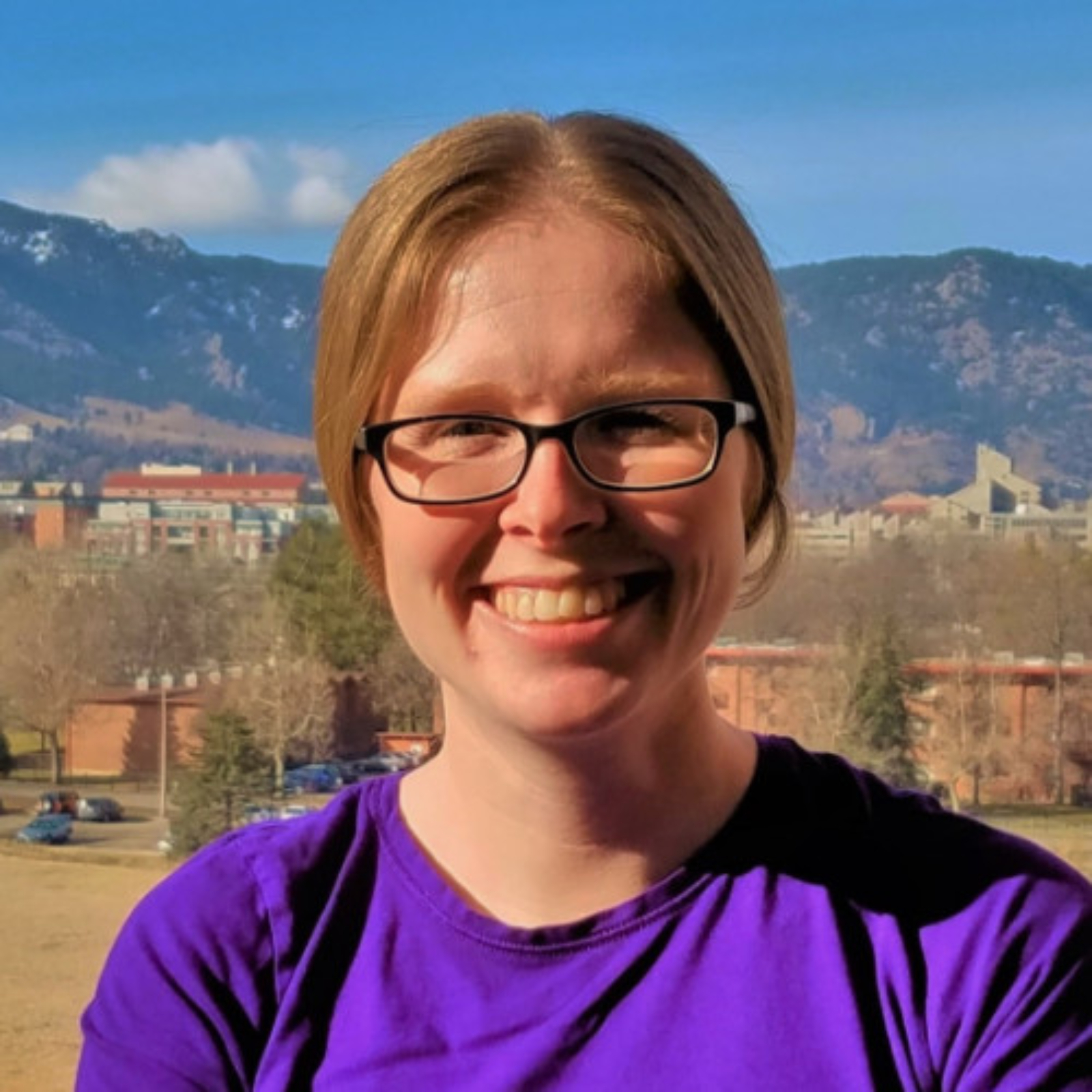
Katie Heiser
Director of High Throughput Screening at Enveda
Video 1. Enveda's Automation Journey
Key Outcomes
- Small team of eight scientists operates a full end-to-end HTS platform in ultra-high-throughput
- Automated overnight and weekend imaging captures data that would otherwise be impossible to collect
- Modular, upgradable system designs reduce long-term capital and redesign costs
- Intentional flexibility enables rapid adaptation to new assay types and biological questions
Download a copy of Katie's slides here.
Questions?
Contact our applications and technology experts for personalized advice, recommendations, and demonstrations!
Learn more about Enveda!